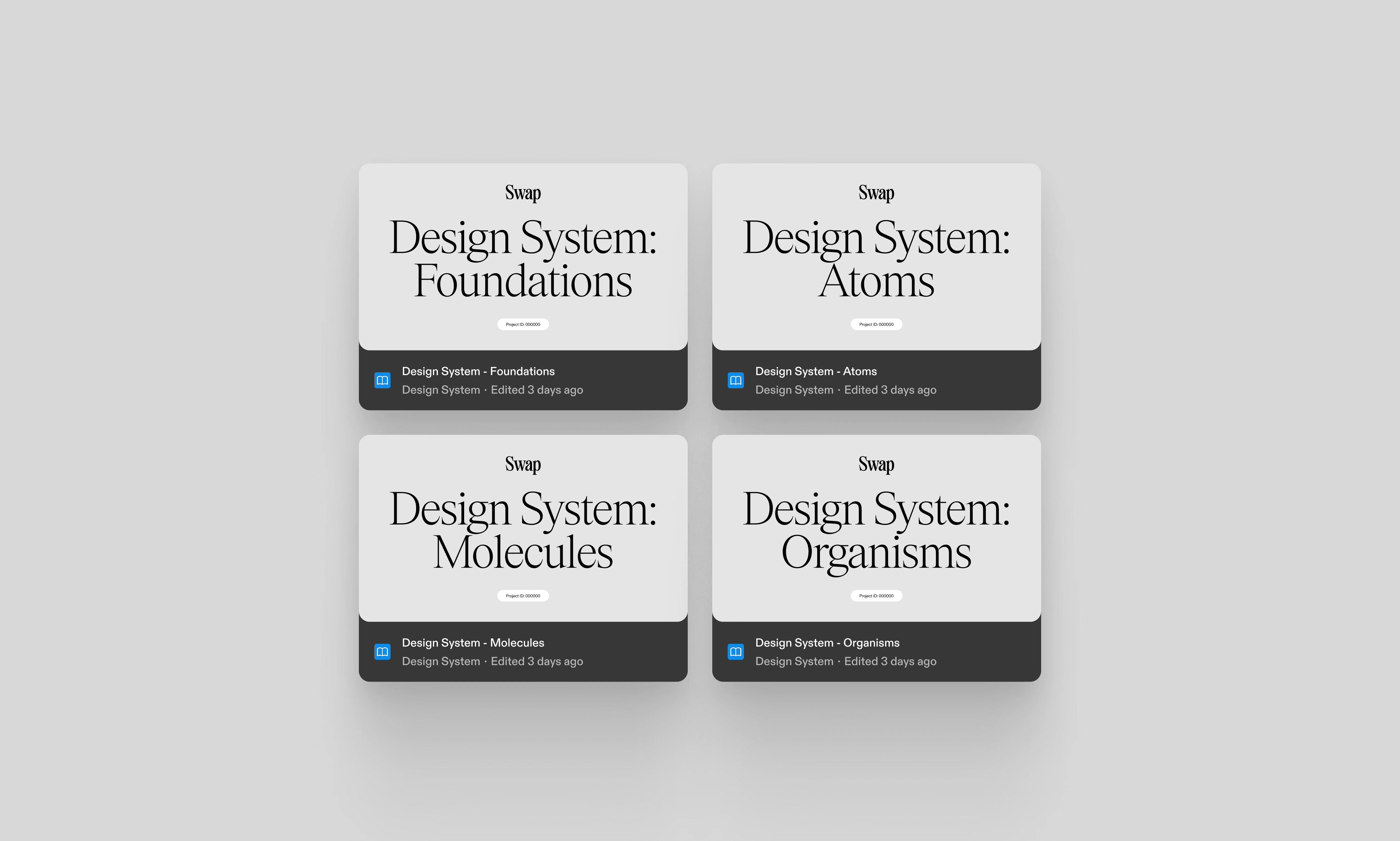
Swap Design System
TL;DR
Swap raised $40M and scaled rapidly, but design couldn't keep pace. Inconsistent buttons, drifting colors, and siloed team workflows created mounting chaos. I led the build of a unified design system that aligned design and engineering while maintaining product velocity. In under a year, we consolidated five "Swap Blues" into one cohesive system. The impact: faster shipping, stronger accessibility, real adoption, and infrastructure built to scale with the business.
Discipline
Product Design
Contribution
Design System Strategy
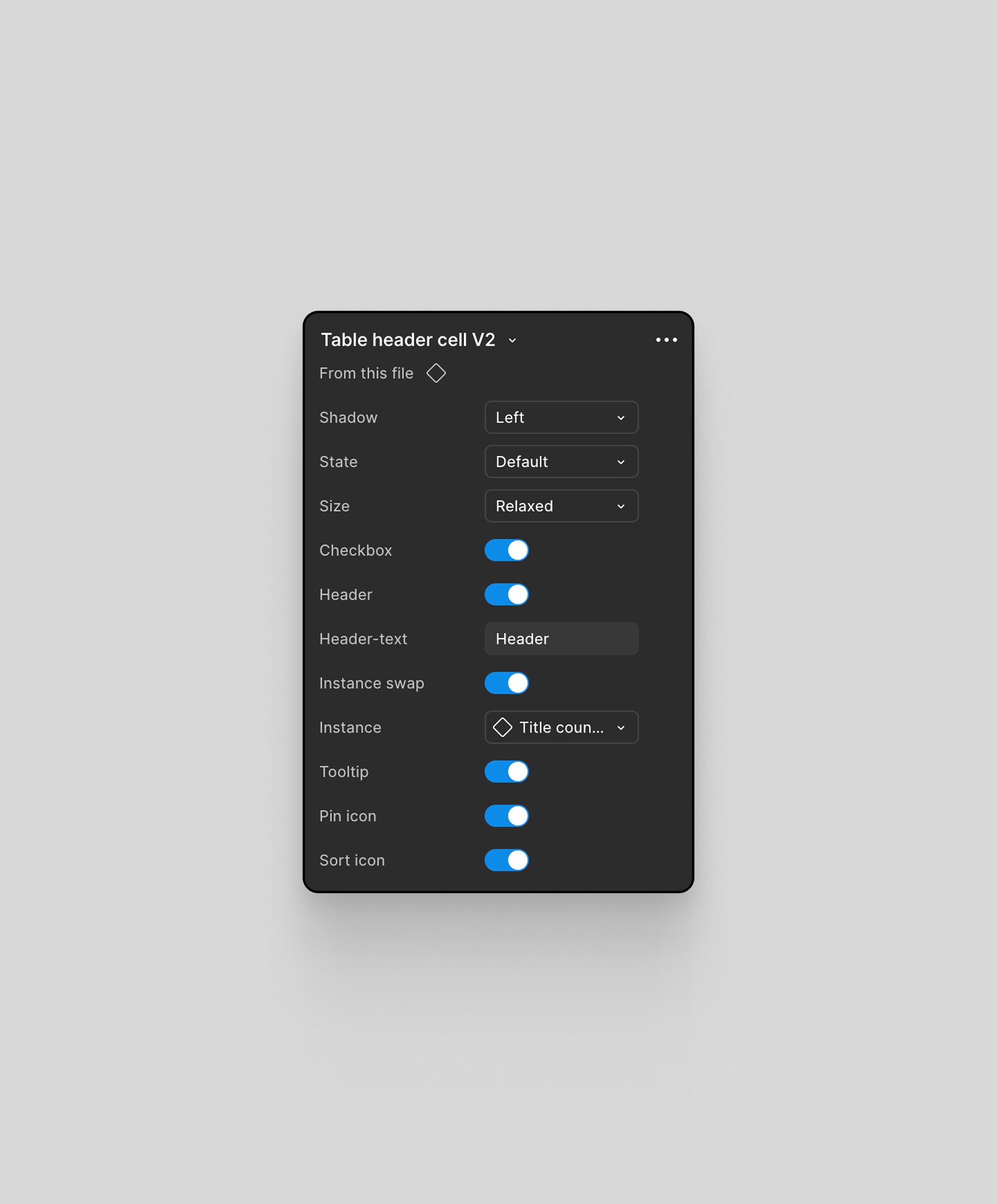
Interface & Component Design
Interaction Design
Cross-Functional Collaboration (Design ↔ Engineering)
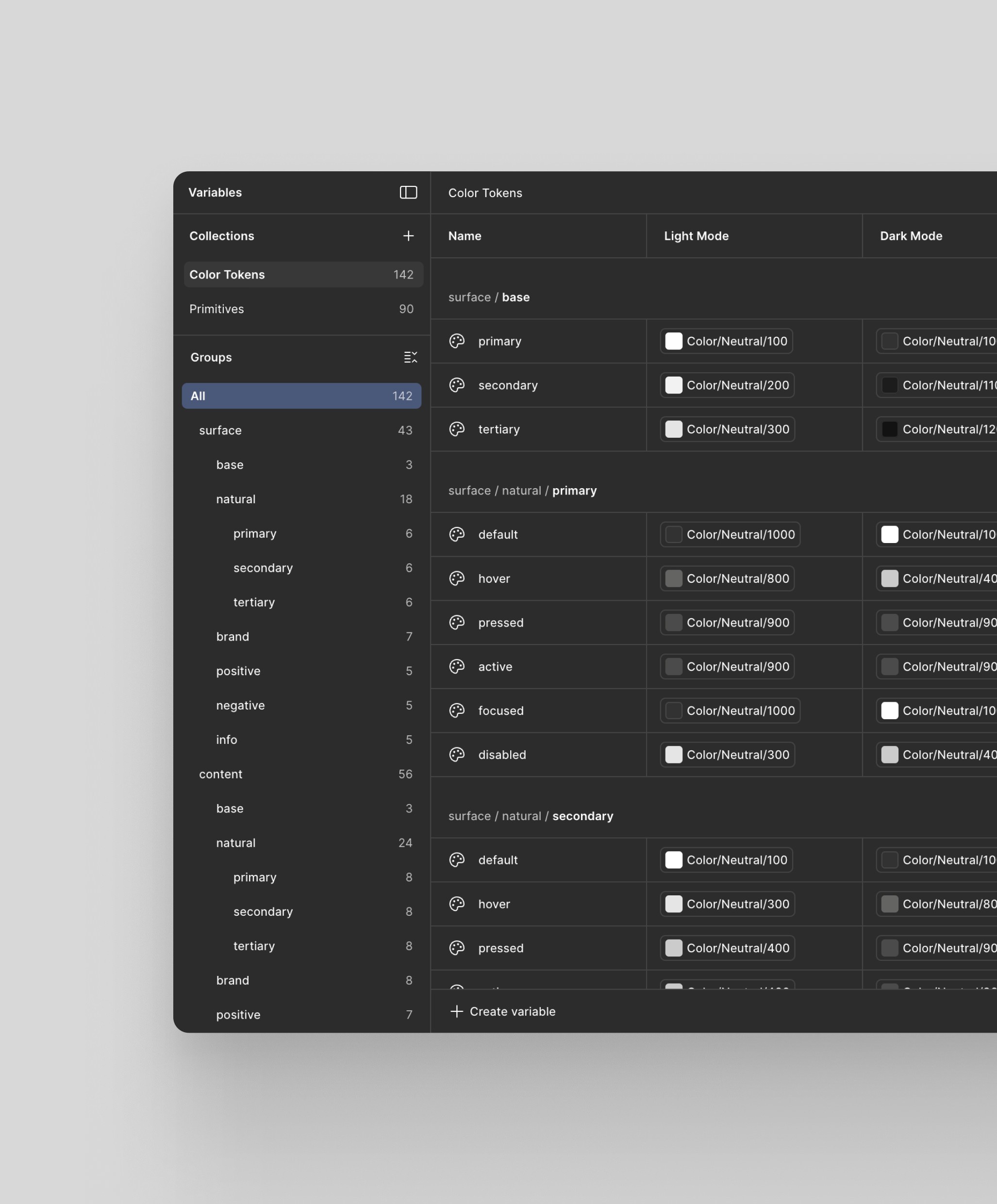
Token & Theming Architecture
Documentation & Adoption Enablement
01 — Context / Introduction
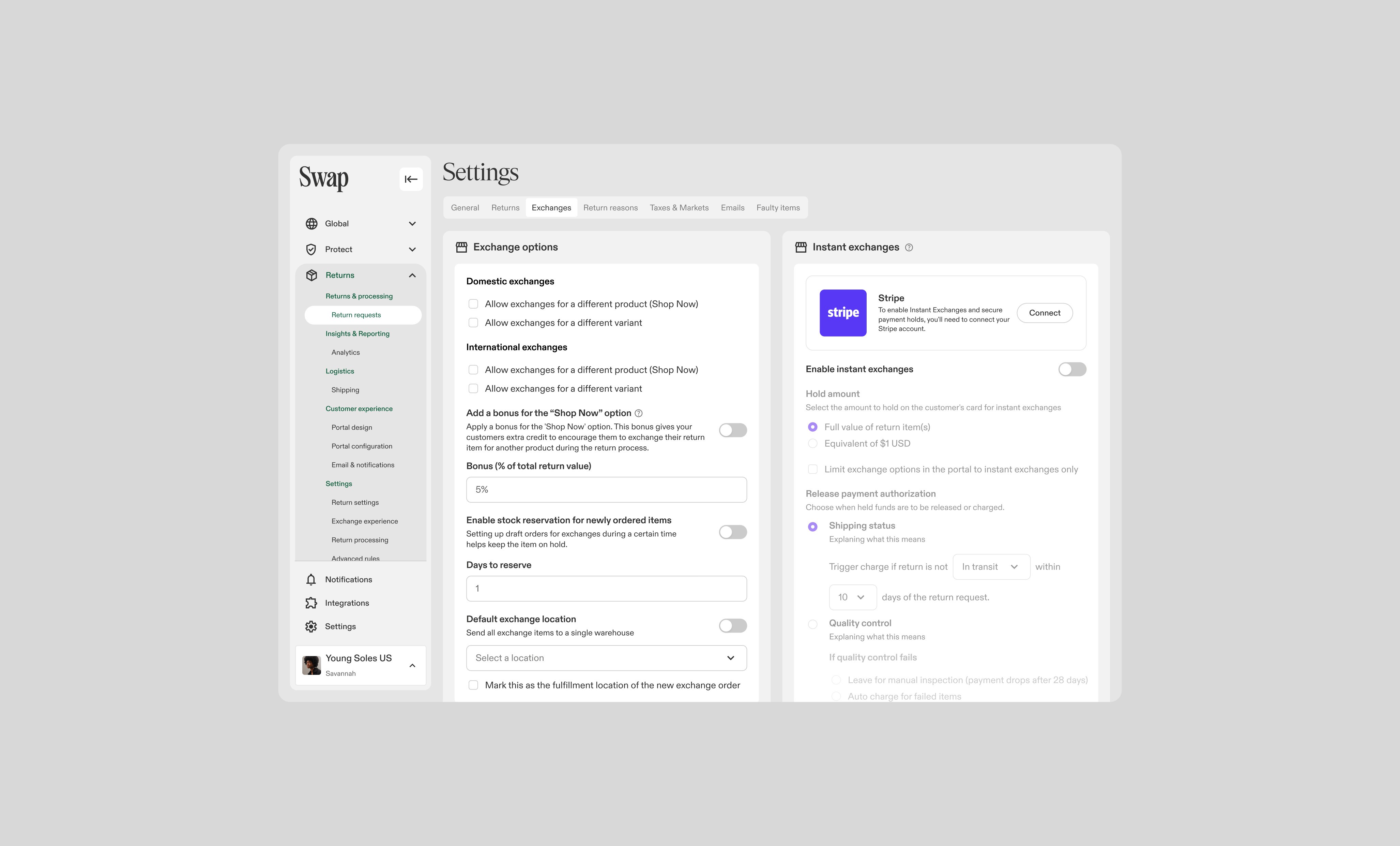
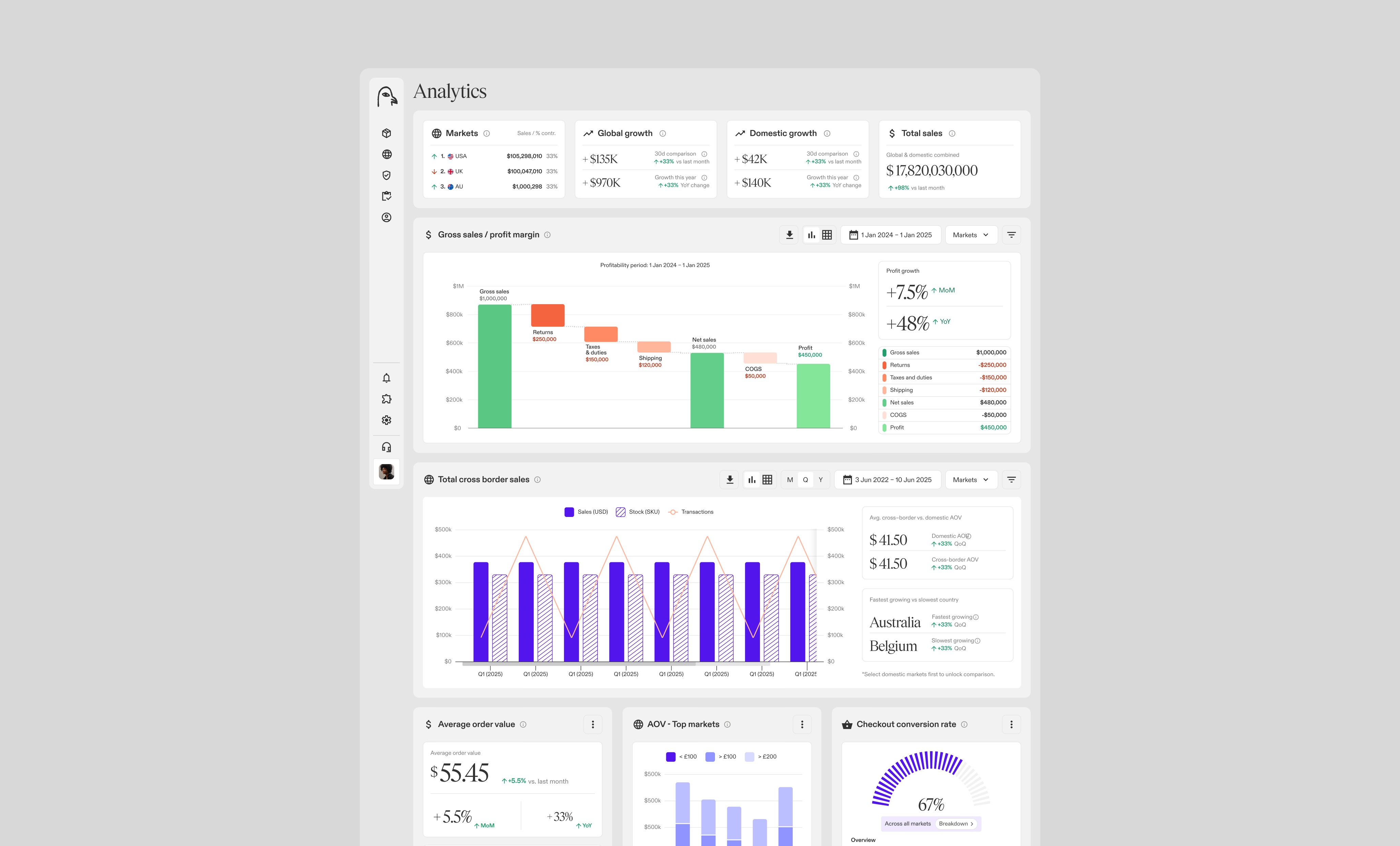
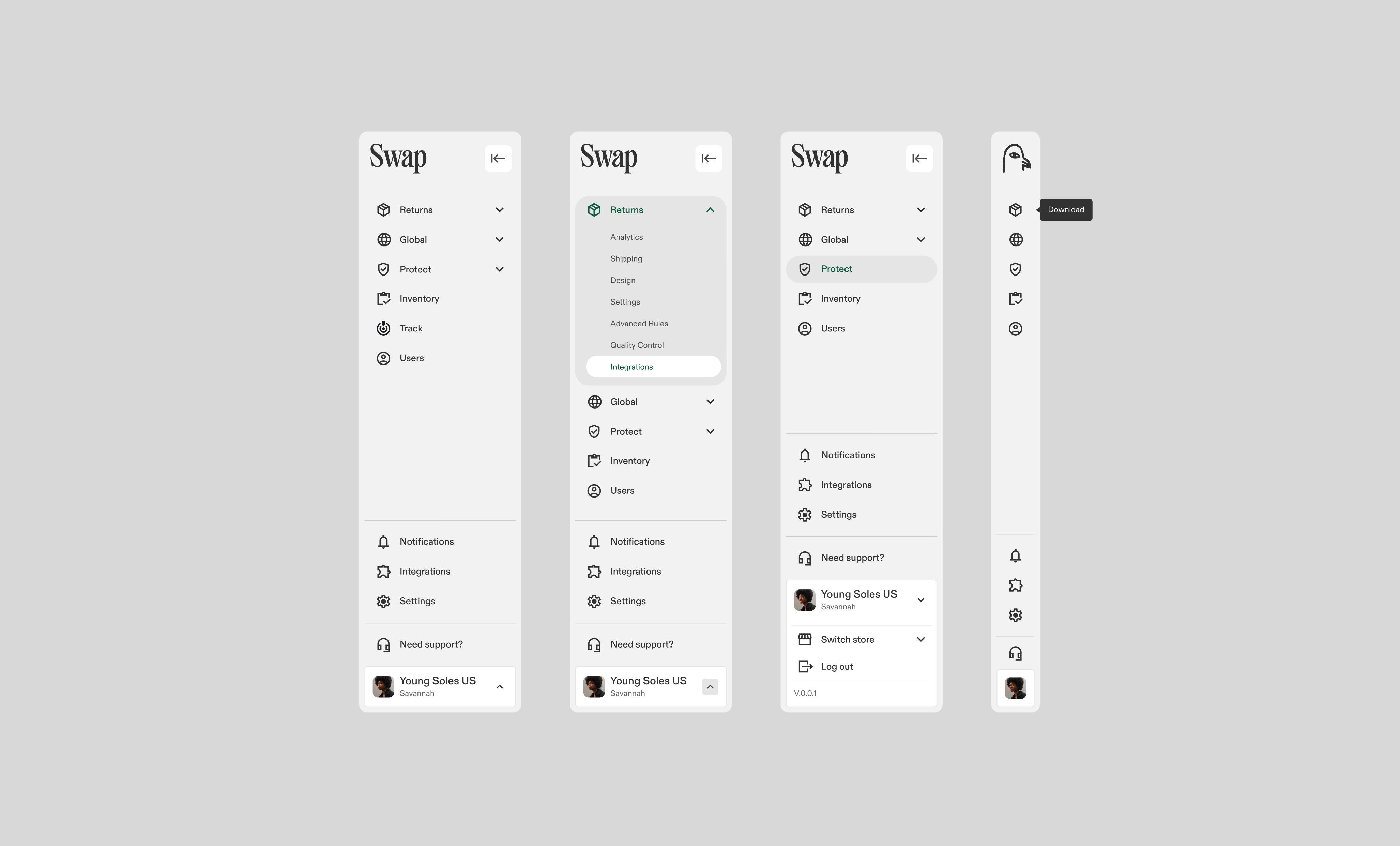
After its $40M raise, Swap grew fast: new teams, new features, and an accelerated roadmap. But without a design system, the product began to fragment. Patterns drifted, colors varied, and components diverged across squads.
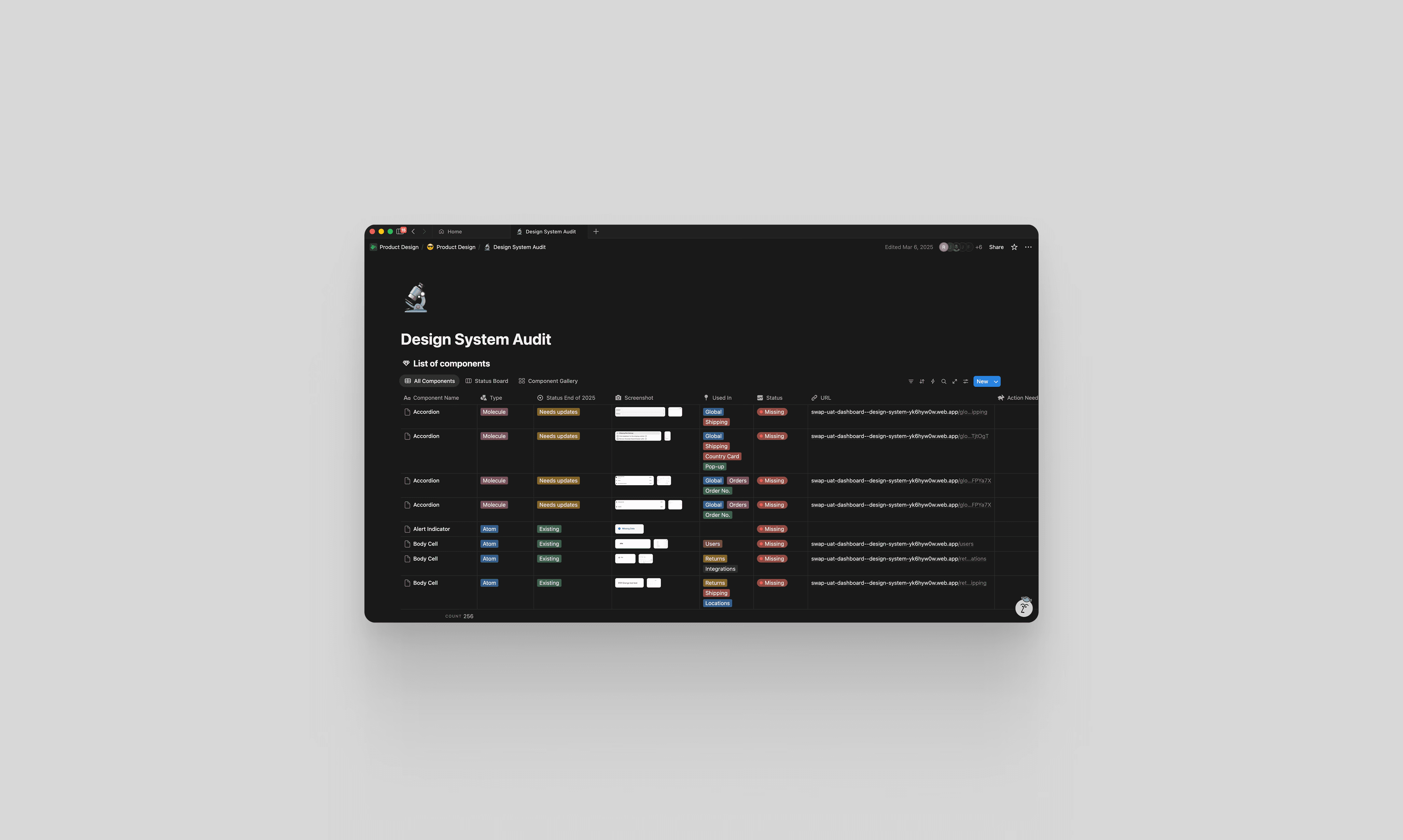
By early 2025, there was no unified design language or token structure. The gap between design and engineering widened, slowing velocity and hurting quality.
We needed a foundation that could bring consistency to the present and support theming, accessibility, and future product surfaces, a system built to scale with Swap.
02 — Problem Statement
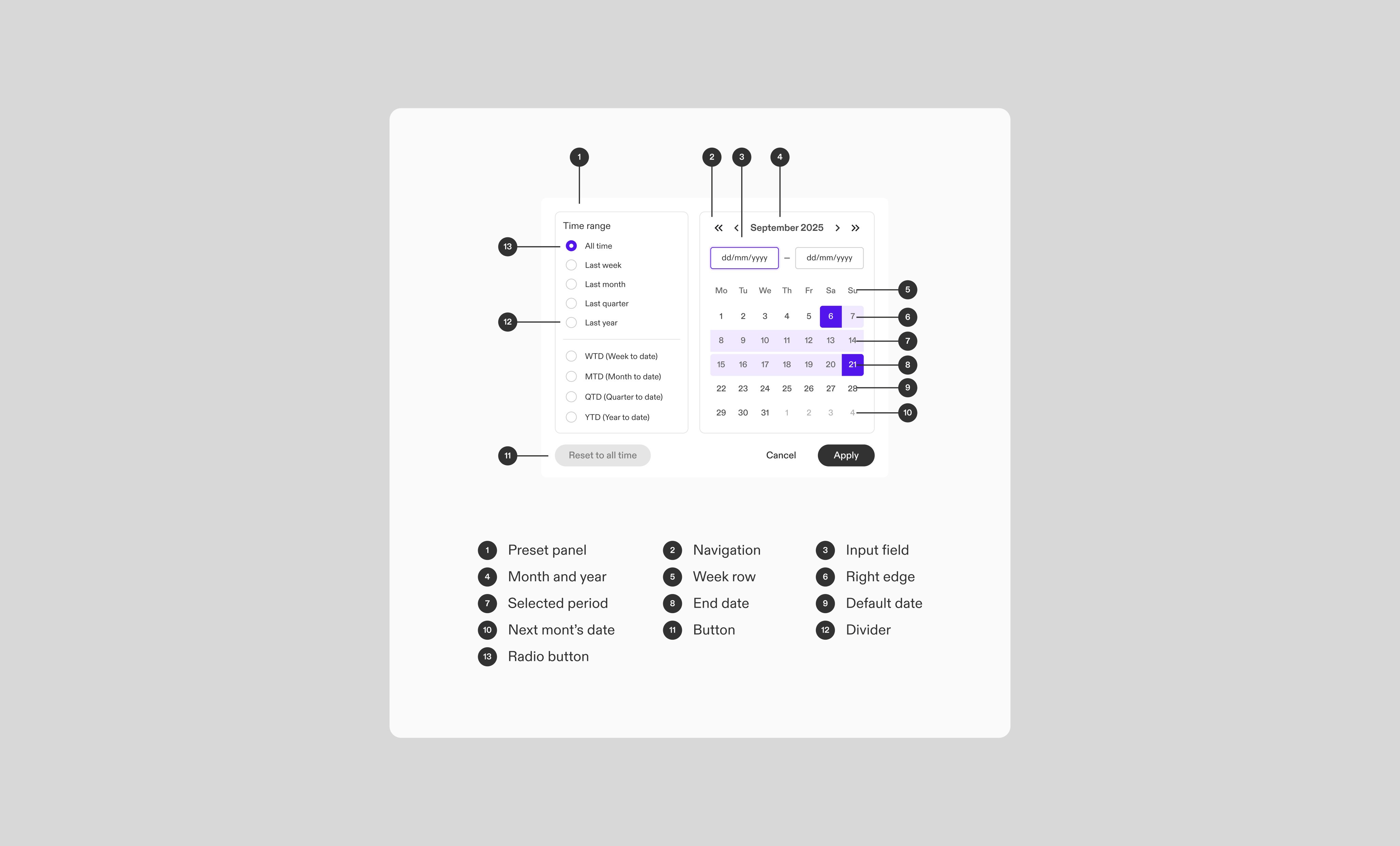
As Swap scaled as an engineer-first company, the lack of a shared design system led to duplicated work, inconsistent components, and error-prone theming. The solution: a centralized, documented design system serving as a single source of truth to ensure quality, accessibility, and cohesion as the product grows.
Core problems to solve:
Create a design system designers and engineers would actually adopt.
Establish a single source of truth to close the design–code gap.
Define governance to sustain and evolve the system.