Film at Lincoln Center
Lights, camera, action!
TL;DR
I helped reimagine Film at Lincoln Center’s website as a future-proof digital home for one of New York’s most iconic cultural institutions. By untangling a fragmented information architecture, rebuilding SEO foundations, and designing a flexible system of templates and UX patterns, I turned a hard-to-navigate archive into a clear, inviting experience for both casual moviegoers and devoted cinephiles. The result is a scalable platform that makes discovery effortless, ticketing intuitive, and FLC’s cultural mission unmistakable: proof that thoughtful product design can honor legacy while enabling what comes next.
Discipline
Web Design
Contribution
Design System & Template Architecture
Visual & Art Direction
UX Patterns & Interaction Design
Information Architecture & User Flows
Cross-Functional Collaboration (Design ↔ Development)
01 — Context / Introduction
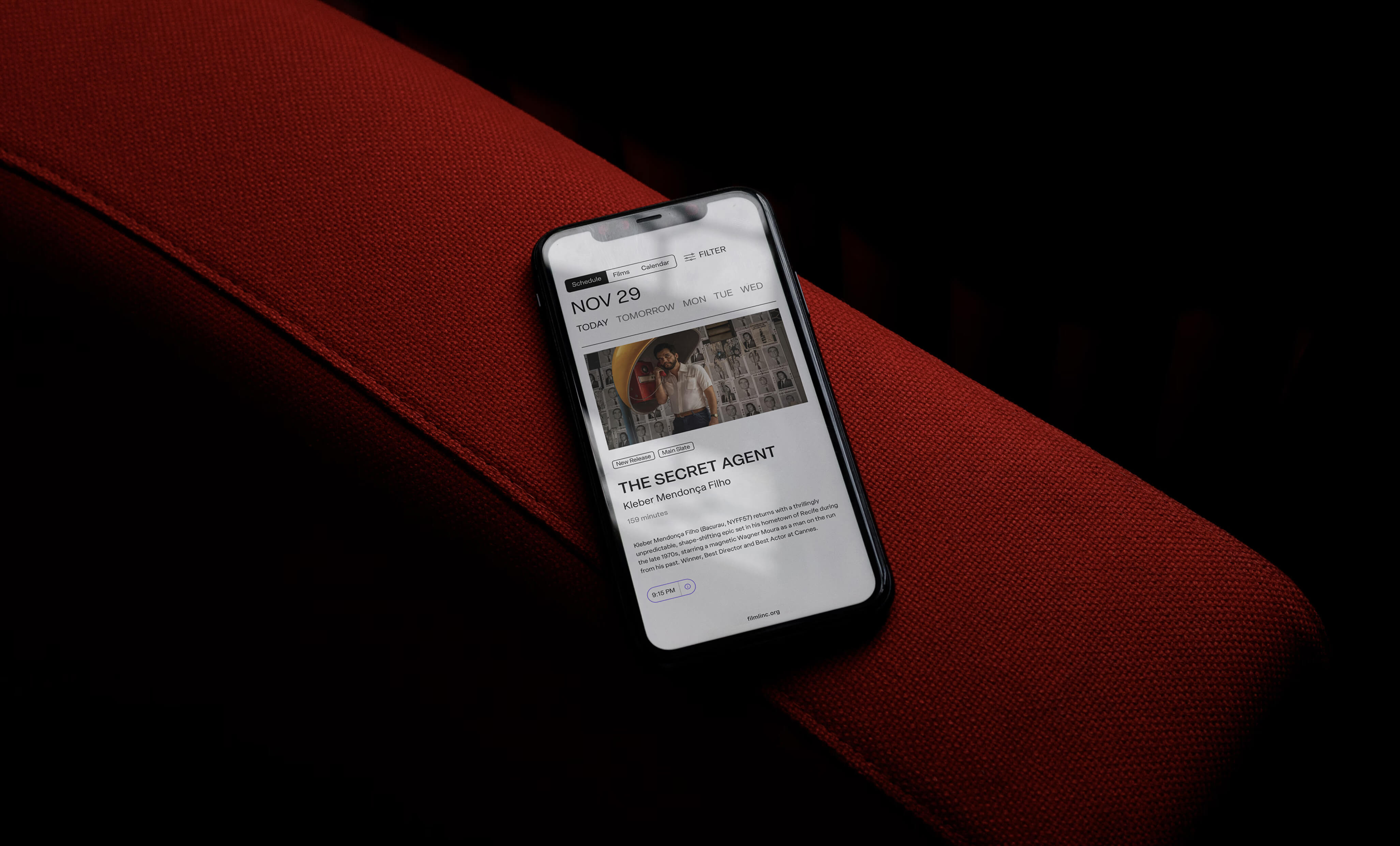
Film at Lincoln Center (FLC) is a cornerstone of New York’s film culture, home to year-round programming, special events, and the internationally recognized New York Film Festival (NYFF). As part of a broader digital transformation initiative, FLC partnered with our team to completely redesign its website: modernizing the experience, improving accessibility, and building a sustainable content system to support films, festivals, memberships, and editorial programming.
The site serves a wide range of audiences: devoted cinephiles, casual moviegoers, local members, and global festival followers. Each group behaves differently, with distinct expectations around discovery, ticketing, and content depth. The redesign needed to establish a digital foundation that could meaningfully serve all of them while elevating the institution’s identity online.
02 — Problem Statement
Film at Lincoln Center’s legacy website lacked a unified, scalable structure, which made discovery and engagement difficult, templates inconsistent, and key actions hidden from users. The growing gap between content, design, and technical implementation hurt usability, accessibility, and operational efficiency. The goal: build a modular, user-centered digital ecosystem with predictable pathways, reusable templates, and a foundation that can evolve with FLC’s programming and audiences.
Core problems to solve:
Create a website structure that audiences can navigate intuitively.
Standardize templates and layouts to reduce duplication and ensure consistency.
Clarify user pathways for ticketing, membership, and program exploration.
Strengthen SEO and technical foundations to improve discoverability.
03 — Pathway
a.
Audience Understanding & User Journeys
We defined key user groups, local filmgoers, casual visitors, cinephiles, and members, and mapped critical flows for ticketing, program discovery, festival navigation, and membership. Each journey captured motivations, friction points, and conversion opportunities to align the team before design work began.
b.
SEO & Technical Audit
A deep audit revealed missing metadata, non-canonical URLs, overuse of 302 redirects, lack of structured schemas, and duplicate NYFF pages. We proposed a modernized URL strategy to reduce fragmentation while preserving existing authority.
c.
Template System Design
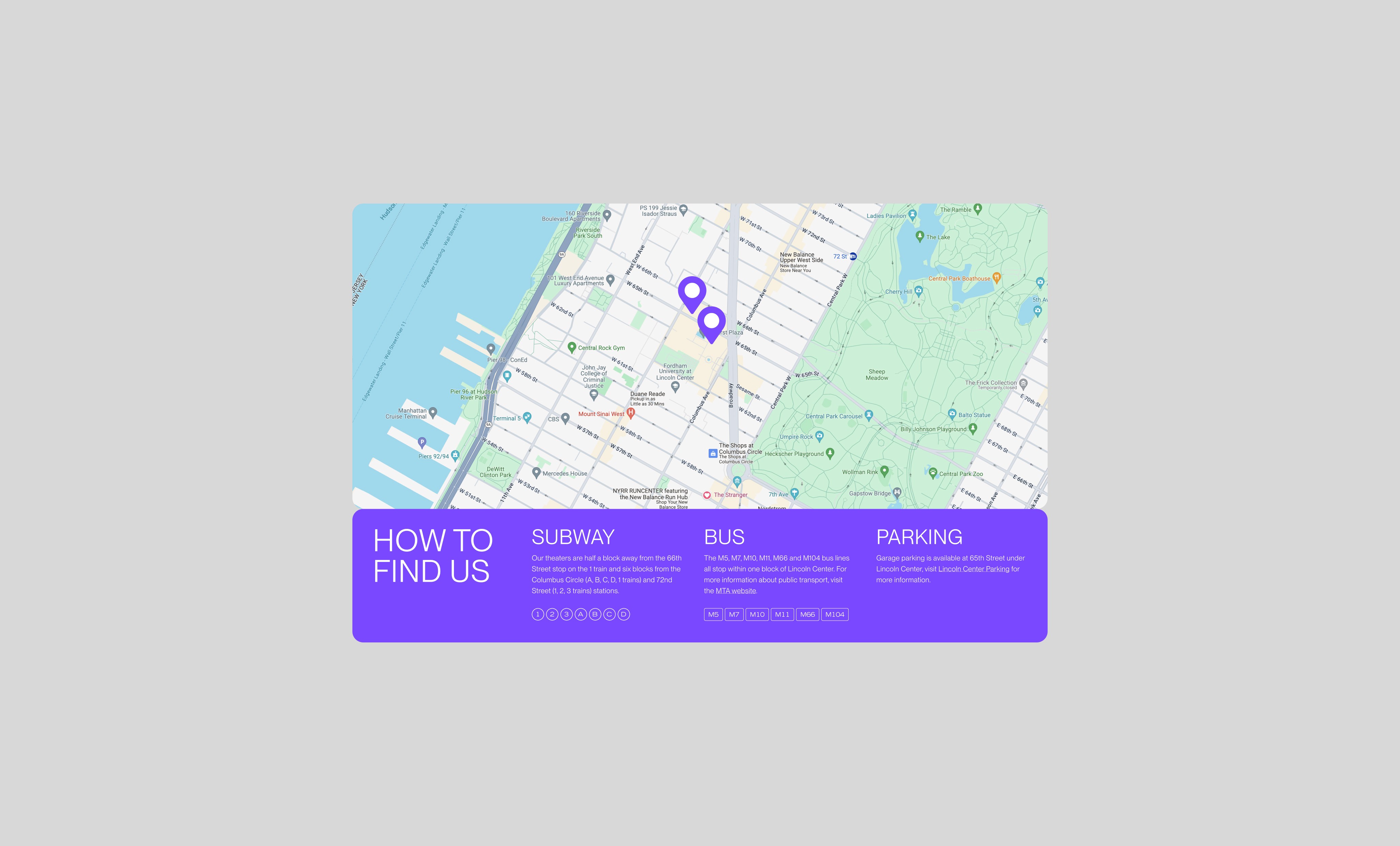
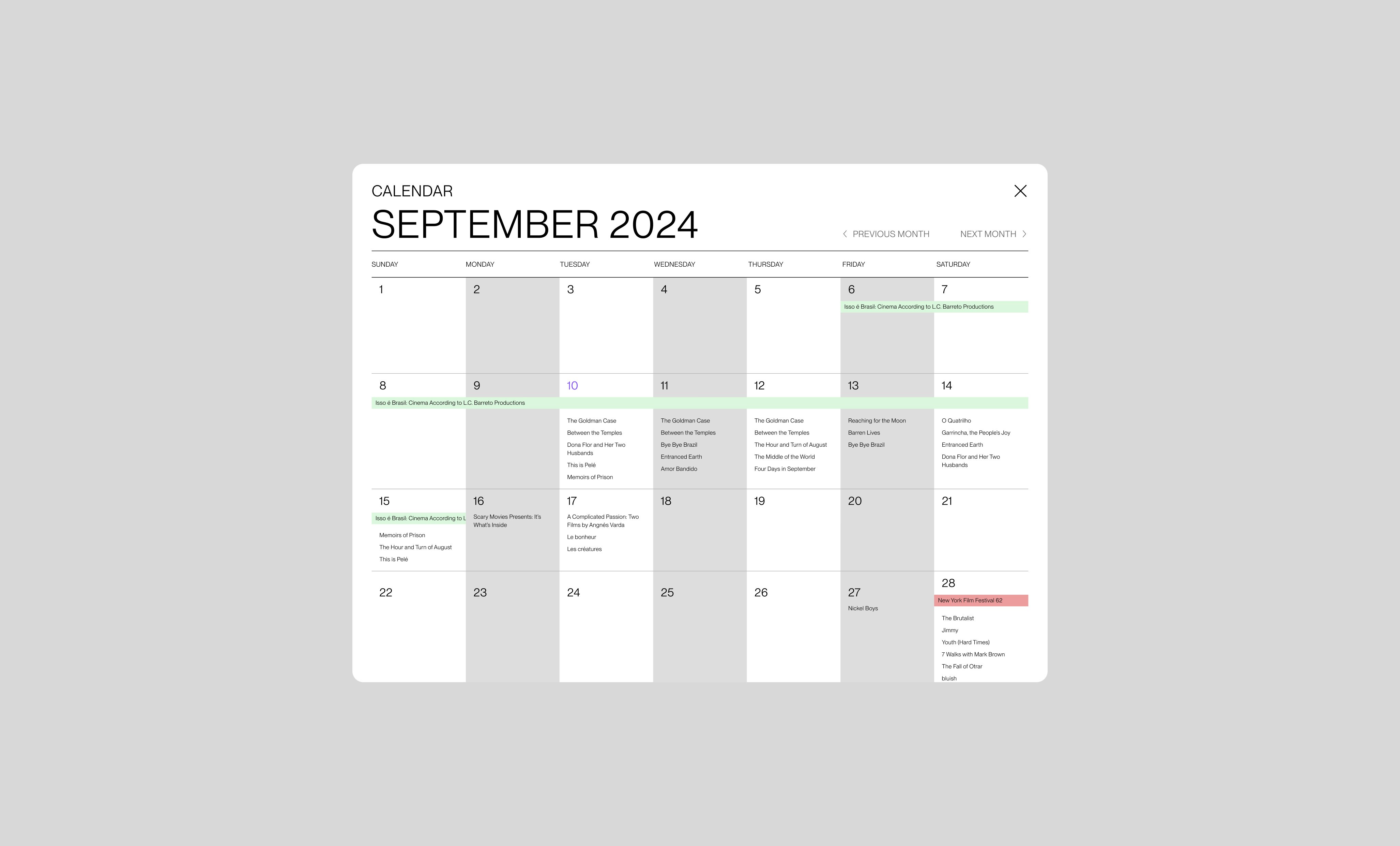
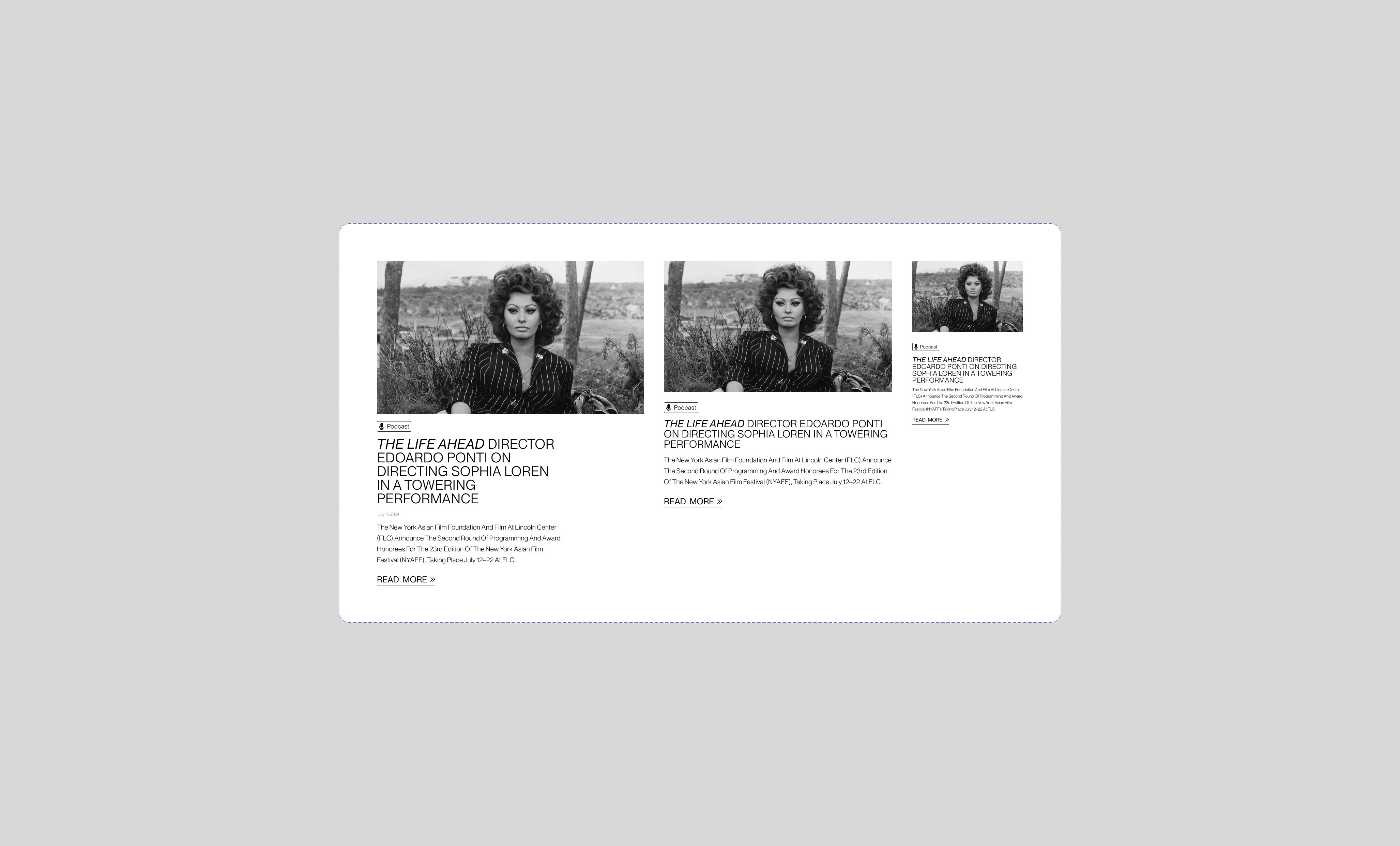
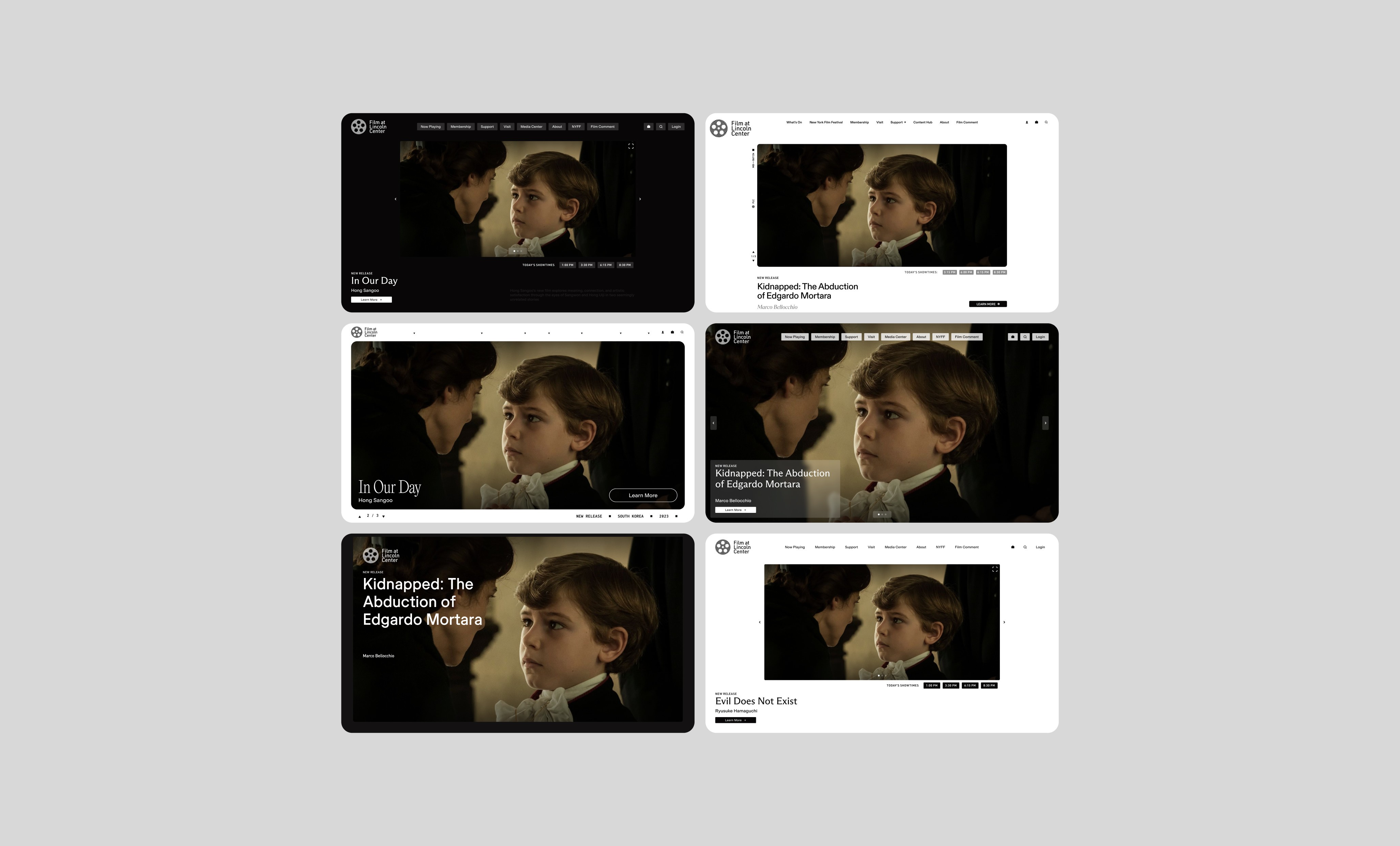
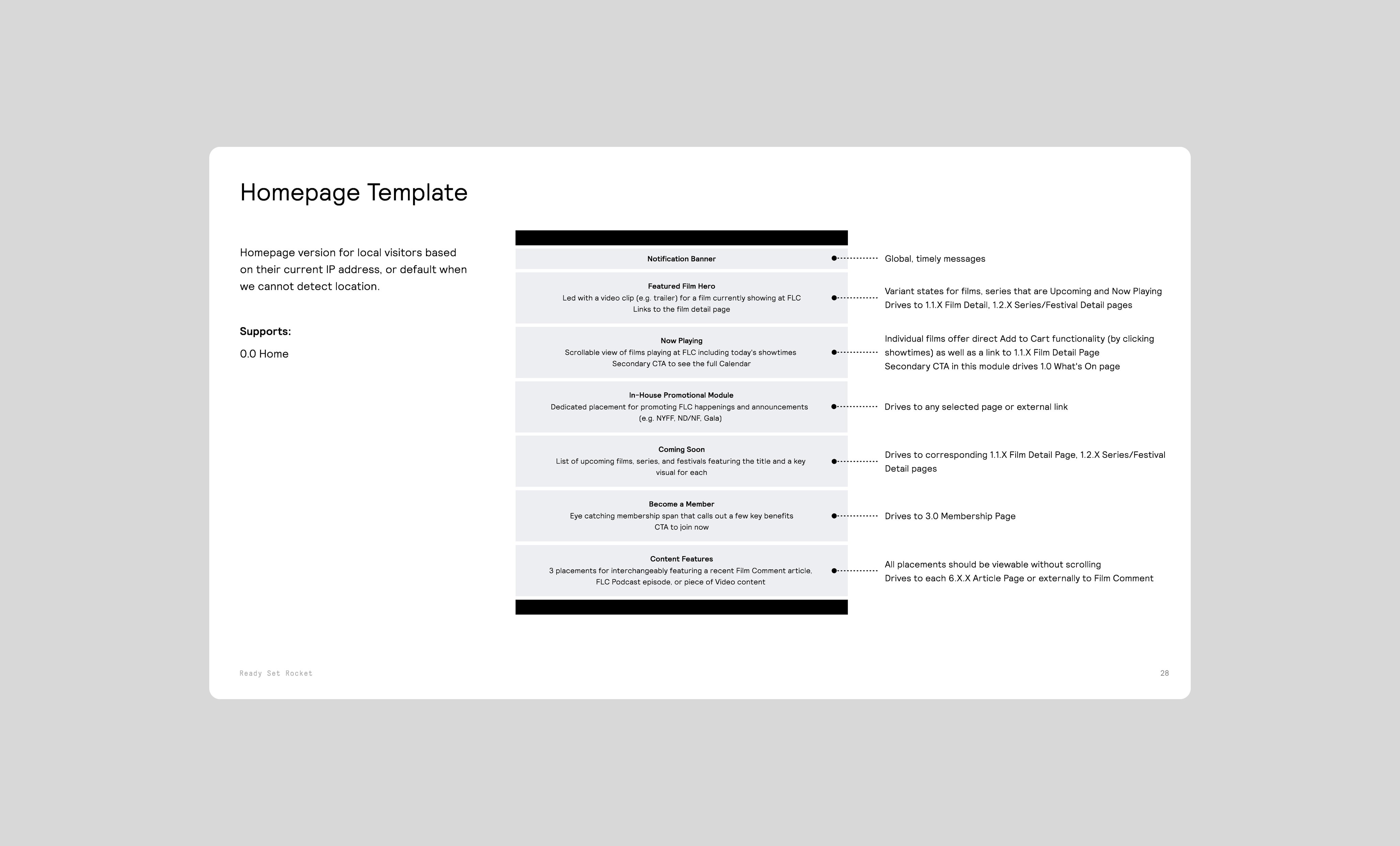
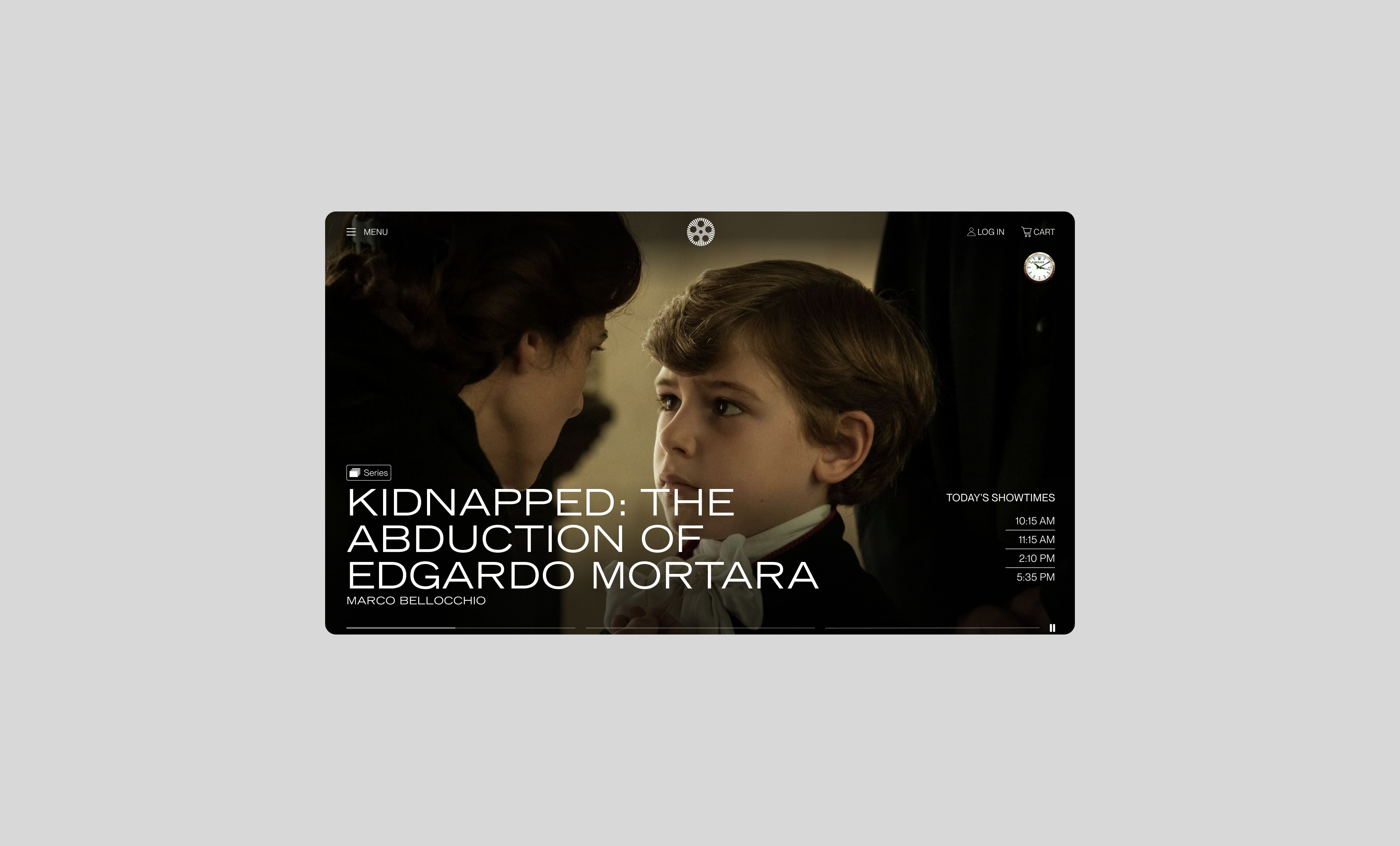
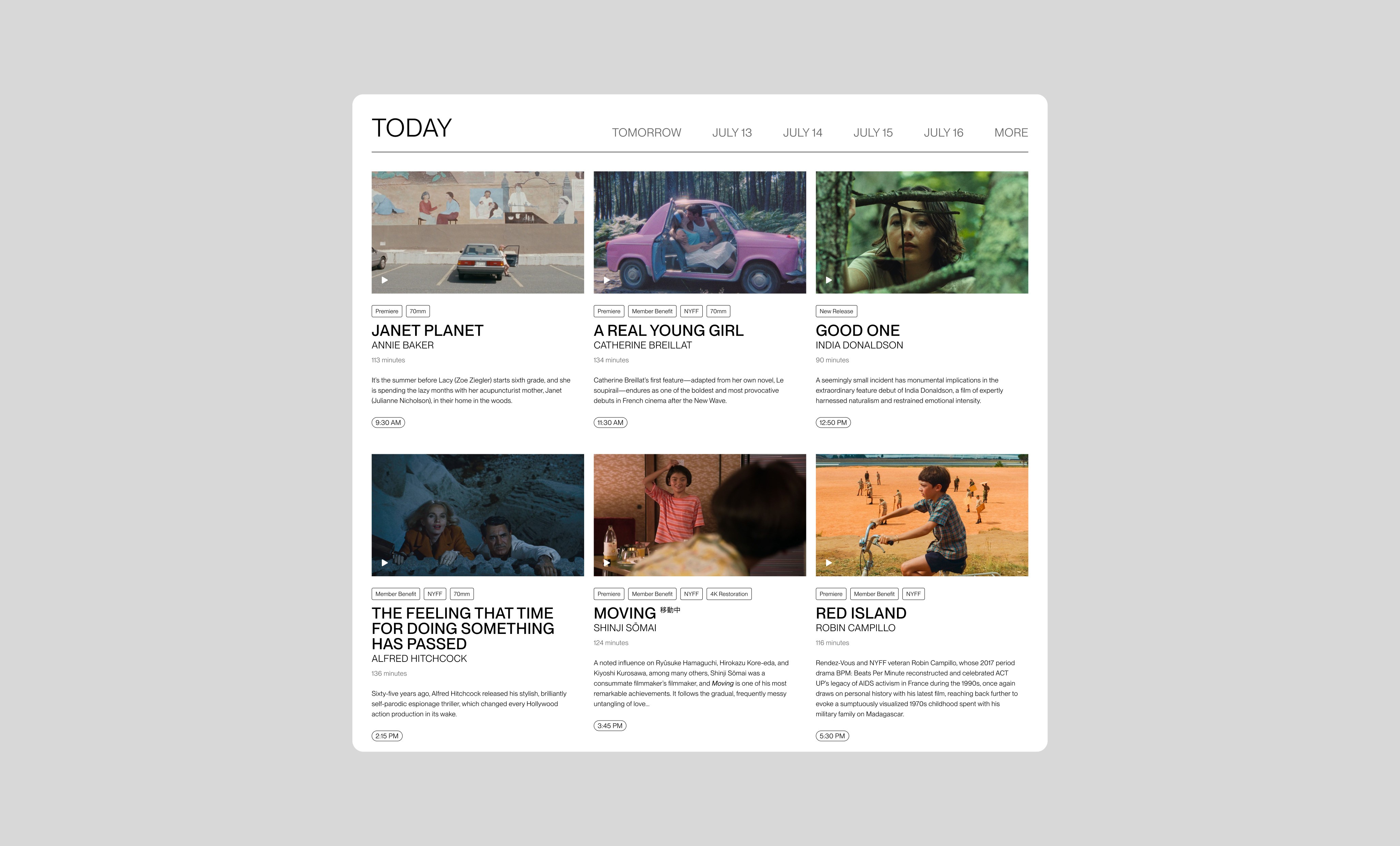
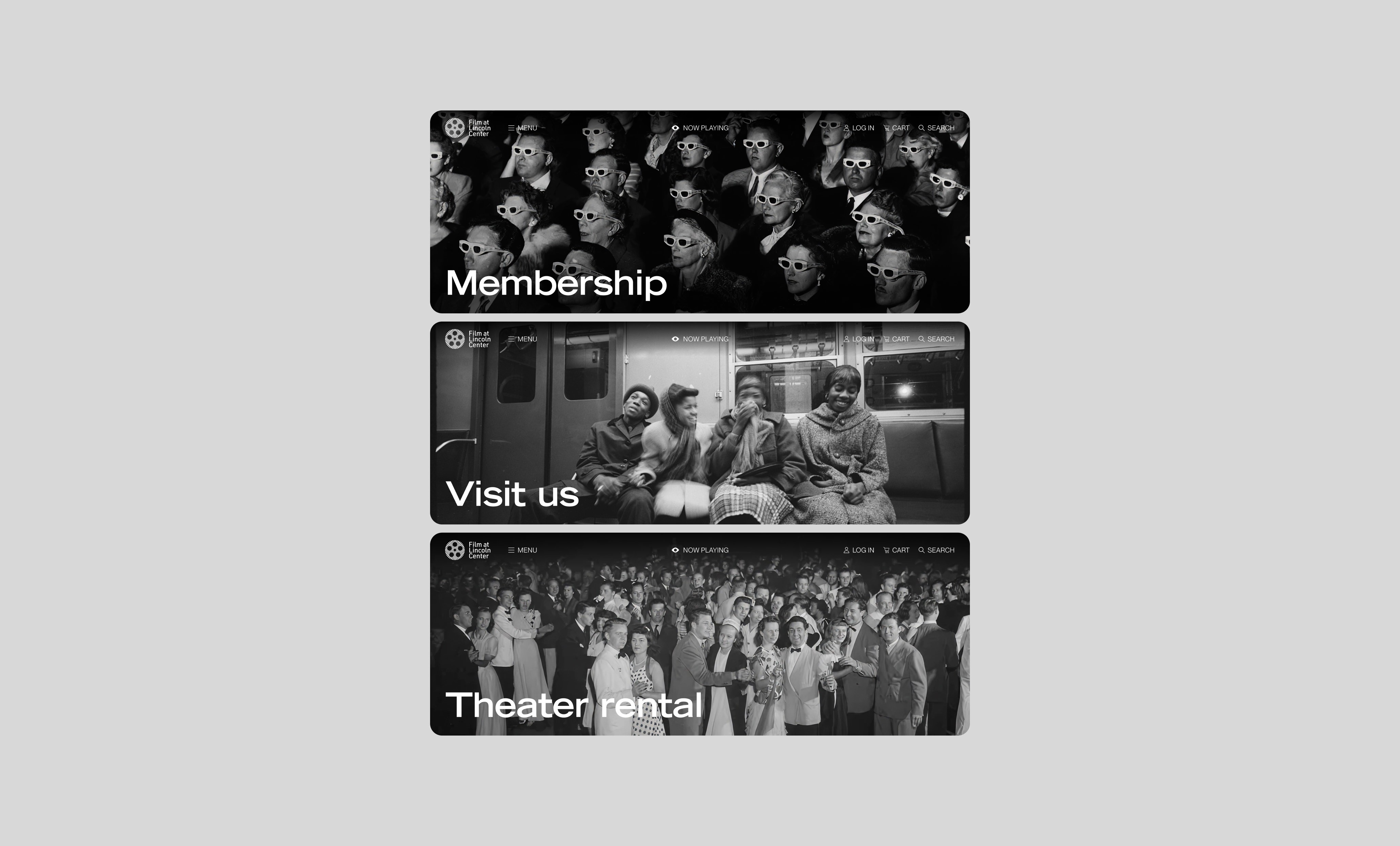
We built a modular library of standardized templates, including homepage, film, festival, schedule, and membership/editorial pages, defining hierarchy, content modules, and SEO considerations to form the backbone of the new ecosystem.
d.
Information Architecture Redesign
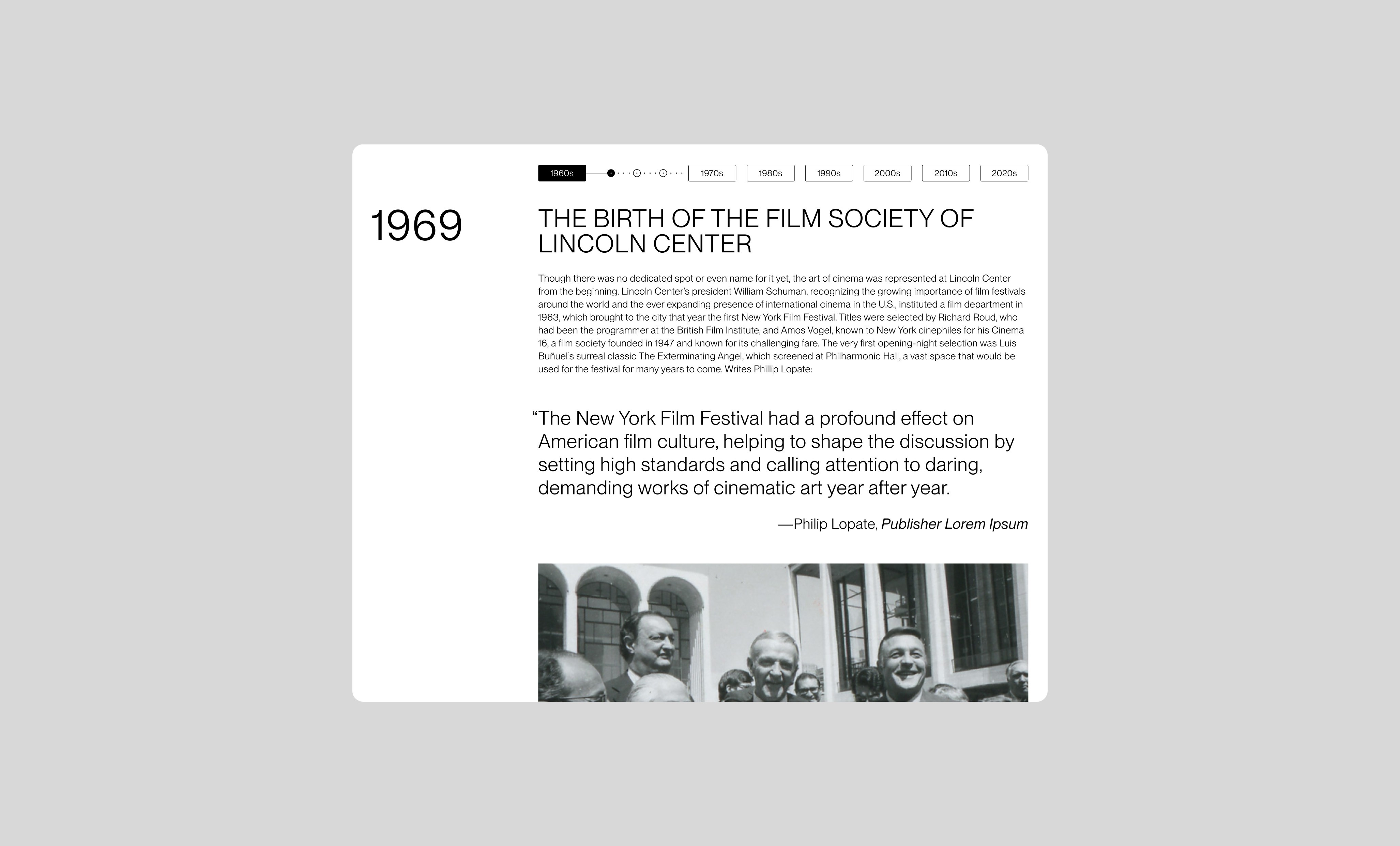
We reorganized the site into predictable, hierarchical pathways: Films → Schedules → Events → Membership, added a scalable NYFF section, and improved navigation, filtering, and cross-linking to clarify content relationships and reduce fragmentation.
e.
UX Pattern Development
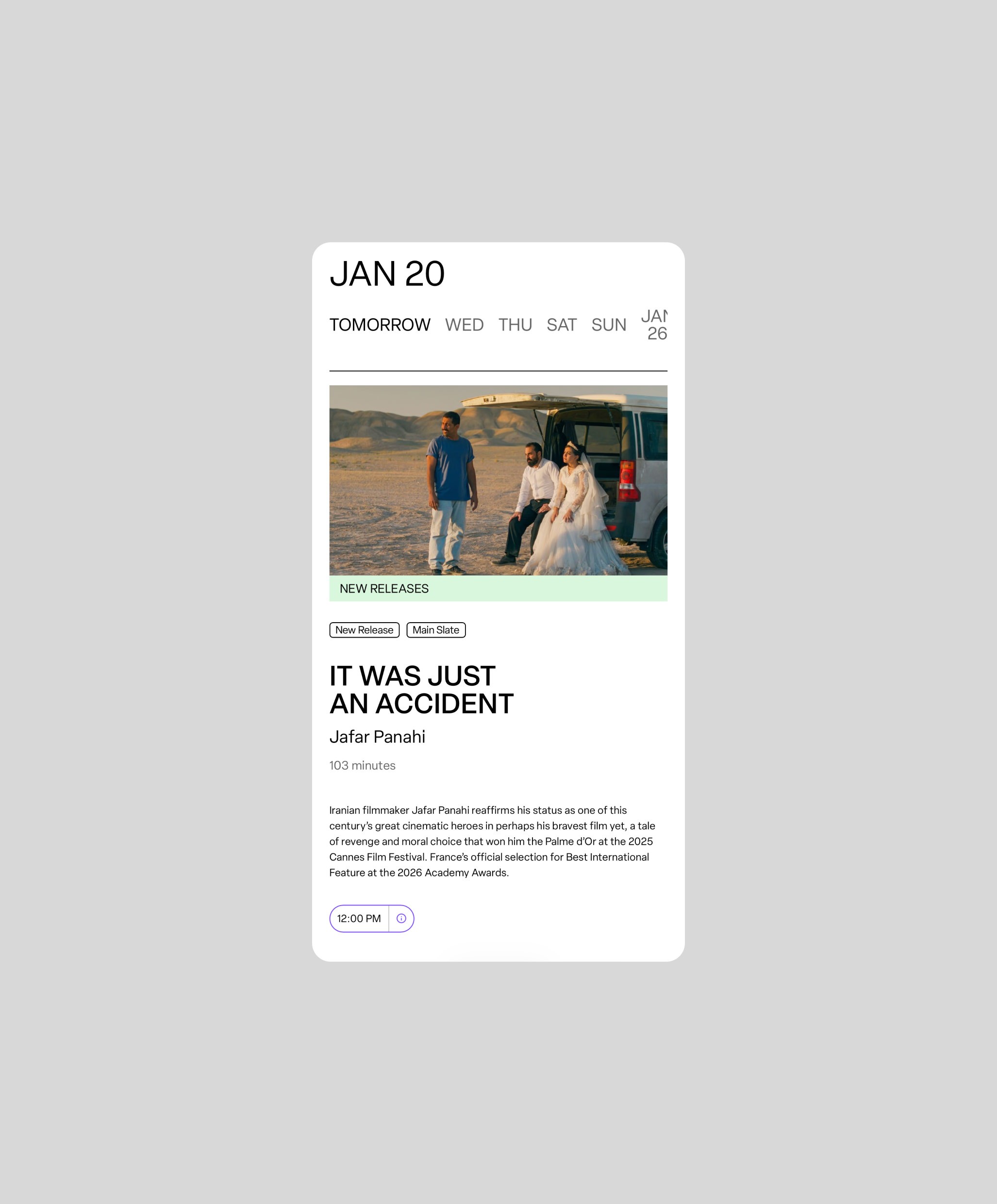
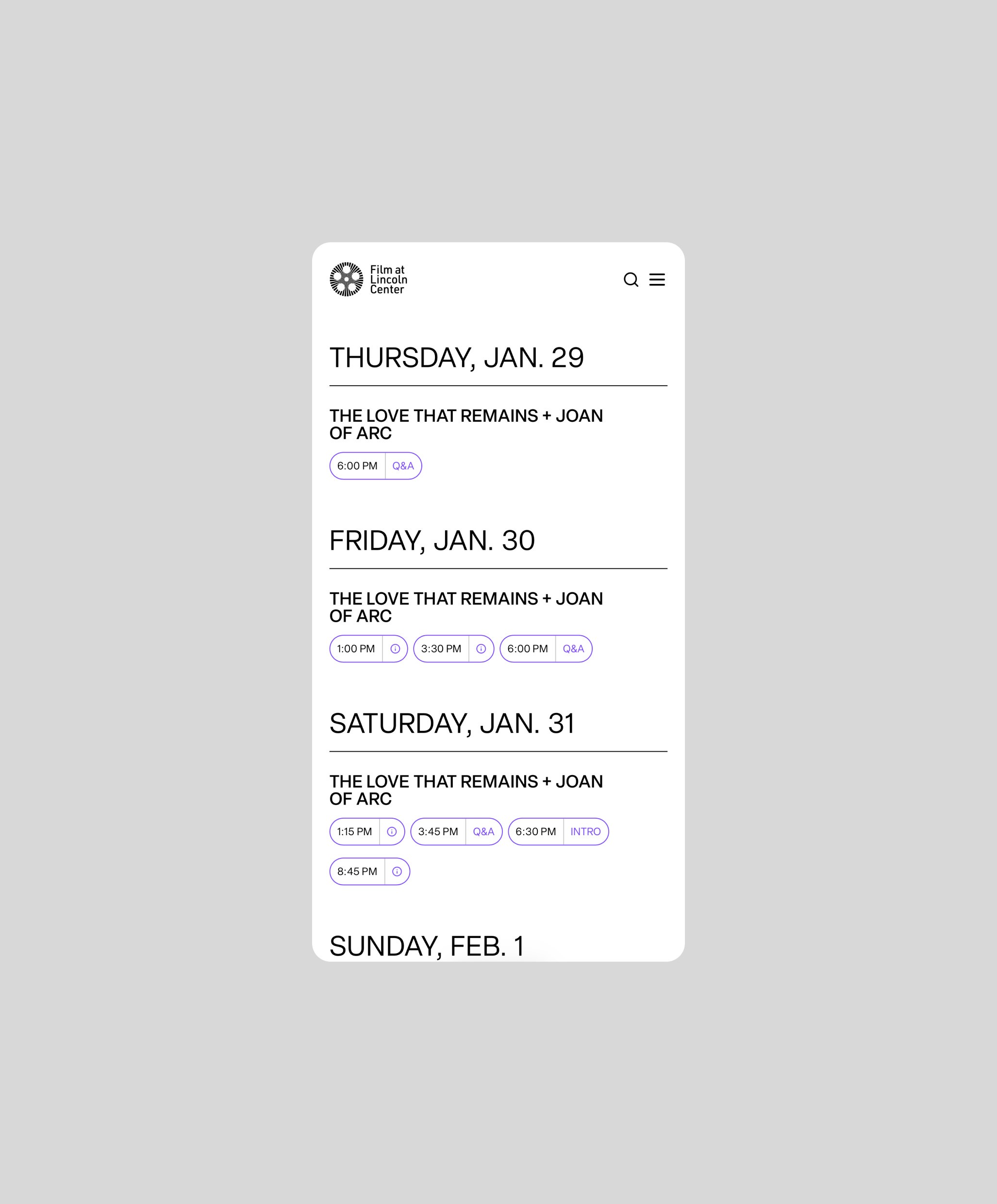
We established scalable patterns for festival browsing, showtime comparison, multi-film navigation, editorial engagement, and membership management, creating consistency across content types and user groups.
04 — Constraints & Goals
We weren’t redesigning a website in isolation. FLC’s site needed to serve multiple audiences, support time-sensitive programming, and integrate with legacy ticketing and editorial systems, all while maintaining SEO authority and operational continuity. Every decision had to balance immediate usability with long-term scalability.
a.
Flexible, Controlled Templates
FLC publishes large volumes of content that change daily, from regular screenings to special NYFF programs. Templates had to be modular enough to accommodate new content yet constrained enough to ensure consistency and maintainability.
b.
Serve Diverse Audiences
Visitors ranged from casual moviegoers to festival veterans. The site needed to provide quick ticketing pathways for newcomers while supporting rich contextual experiences for cinephiles.
c.
Seamless Integration
Existing ticketing and editorial systems shaped how content could be structured. The redesign had to fit these systems without slowing workflows or breaking critical features.
The redesign aimed to establish a scalable information architecture for films, series, festivals, and editorial content while strengthening SEO through structured schemas, consistent metadata, and a logical URL hierarchy. It sought to reduce cognitive load by creating clear, predictable pathways for discovery and ticketing, build a reusable system of templates and UX patterns that teams could maintain independently, and enhance community engagement by connecting audiences more clearly to FLC’s cultural mission.
05 — Challenges & Tradeoffs
a.
Balancing editorial freedom with structural consistency
Festivals and special programs needed creative flexibility, but the system required constraints to remain maintainable.
b.
Preserving SEO authority while modernizing URLs
NYFF archives demanded precise redirect logic to avoid losing search visibility.
c.
Designing for both casual and expert users
Quick ticketing pathways needed to coexist with rich cultural context for cinephiles.
d.
Integrating legacy ticketing systems Semantic Token Strategy
Existing workflows influenced page structure and required careful UX planning around redirects and availability.
06 — Outcomes & Impact
a.
For FLC Audiences
More intuitive ticketing journeys with reduced friction
A modern, accessible experience aligned with FLC’s cultural stature
Clearer pathways for discovering films, events, and festivals
b.
For FLC’s Internal Teams
A scalable IA and template system that drastically reduces manual work
Strong SEO foundations that support discoverability, especially for NYFF
Reusable UX patterns that ensure long-term consistency across the site
c.
Cross-functional alignment
A future-proof digital ecosystem that can grow alongside programming
A stronger online presence that better reflects the institution’s mission
A unified design language that modernizes how FLC engages with its global audience